Iron Deficiency Explained:
The Small Mineral That Can Have a Big Impact on How You Feel
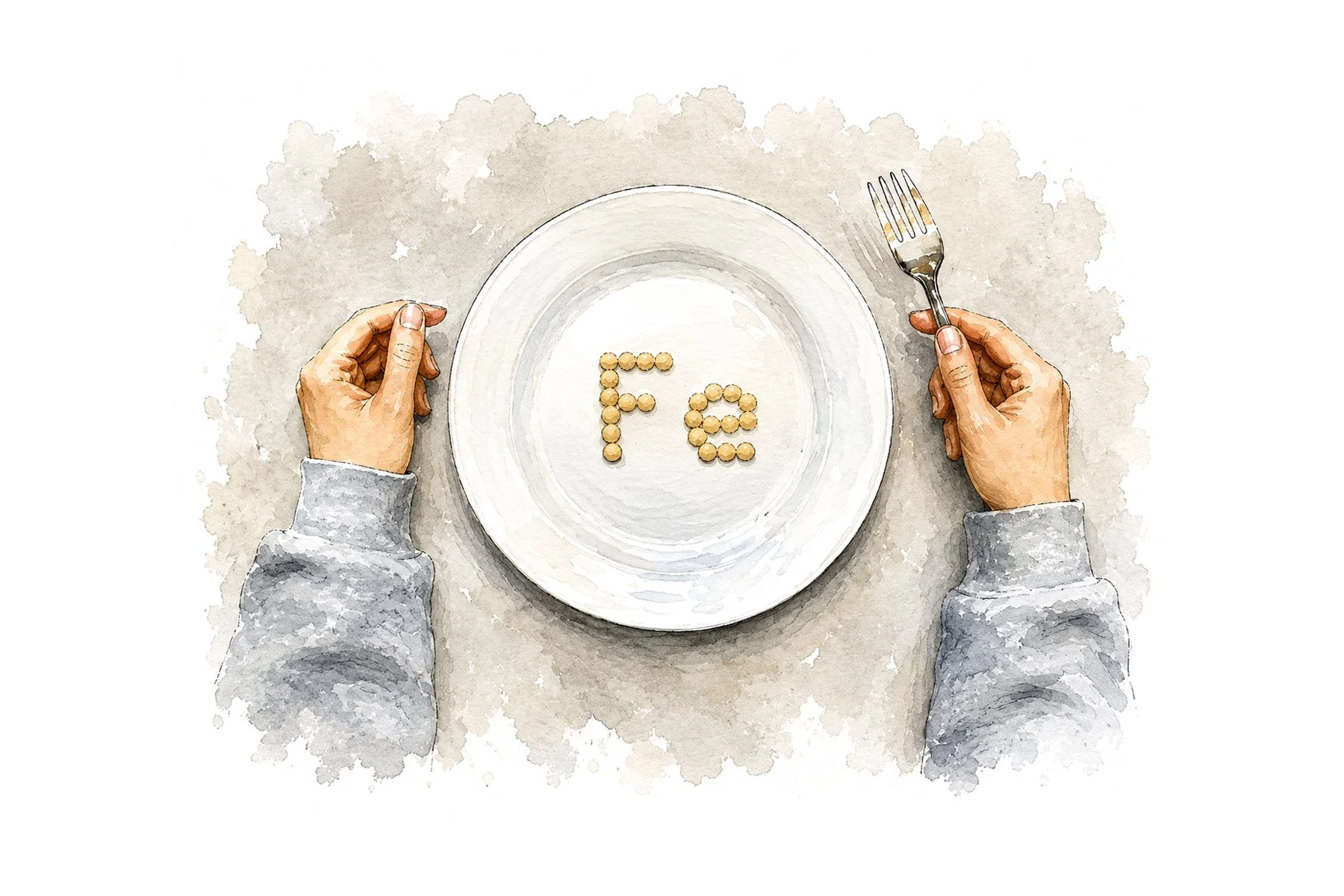
Iron may be a trace mineral, but it plays a central role in how your body functions day to day. From energy levels and concentration to exercise tolerance and immune health, adequate iron is essential for feeling well.
Iron deficiency is common and often missed. Many people live with low iron for months or years, attributing symptoms to stress, busy lives, or poor sleep, without realising there may be a simple and treatable cause.
At Peak Family Practice, we see iron deficiency frequently, and we take a careful, practical approach to assessing and managing it.
Why Iron Matters
Iron is involved in several vital processes in the body, including:
Oxygen transport
Iron is a key component of haemoglobin, the protein in red blood cells that carries oxygen from your lungs to the rest of your body. When iron levels are low, oxygen delivery is reduced. This leads to fatigue, breathlessness, and reduced stamina.
Energy production
Your cells rely on iron to generate energy efficiently. Low iron levels can leave you feeling flat, heavy, or exhausted, even when you’re sleeping well.
Growth, repair, and healing
Iron supports cell turnover, tissue repair, and recovery after illness or blood loss. This becomes especially important during periods of increased demand.
Immune function
Iron plays a role in supporting immune cells. Low levels may contribute to getting sick more often or taking longer to recover.
Could Low Iron Be Contributing to How You Feel?
Iron deficiency doesn’t always announce itself clearly. Common symptoms include:
Persistent fatigue or weakness.
Pale skin or gums.
Shortness of breath, especially with exertion.
Dizziness or headaches.
Difficulty concentrating or “brain fog”.
Recurrent infections or slower recovery.
Mood changes.
Sleep disturbances.
Appetite changes.
Fatigue is one of the most frequently dismissed symptoms we see, but ongoing tiredness is not something you have to simply “push through”.
A simple blood test can often provide clarity.
Checking Iron Levels: A Thoughtful, Individual Approach
At Peak Family Practice, iron levels are assessed in context, not in isolation.
We look at:
Your symptoms.
Contributing factors such as diet, absorption, menstrual blood loss, other sources of hidden blood loss, pregnancy, or chronic conditions.
Your physical examination findings.
Your full blood count and iron studies.
From there, we guide treatment in a way that’s appropriate for you, rather than defaulting to a one-size-fits-all solution.
When Diet or Tablets Aren’t Enough: Iron IV Infusions
For some patients, dietary changes or oral iron supplements are not sufficient, poorly tolerated, or too slow to restore iron levels.
In these cases, intravenous (IV) iron therapy can be an effective option.
At Peak Family Practice, iron infusions are administered in our dedicated infusion room, designed to be calm, private, comfortable, and always under medical supervision.
Iron IV therapy may be helpful if you:
Have significant or persistent iron deficiency.
Don’t tolerate oral iron well.
Have absorption issues.
Experience heavy menstrual bleeding.
Need a faster restoration of iron stores.
Many patients notice improved energy and stamina within days to weeks, although response varies.
Care That’s Considered, Not Rushed
Iron deficiency is rarely “just about the number”.
Our approach is to:
Investigate properly.
Explain results clearly.
Treat safely and appropriately.
Follow up to ensure iron levels remain stable.
Whether your management involves dietary guidance, oral supplementation, or IV iron, our focus is on supporting your health in a way that feels measured and reassuring.
The Bottom Line
Iron plays a vital role in:
Energy
Exercise tolerance
Immune health
Overall wellbeing
If you’re experiencing persistent fatigue, effort intolerance, or other symptoms that don’t feel quite right, checking your iron levels can be a valuable first step.
At Peak Family Practice, we’re able to assess, treat, and support iron deficiency carefully and comprehensively, from blood tests through to IV iron infusions when indicated.
If you’d like guidance on whether iron testing or treatment may be right for you, you’re welcome to book a consultation and we can take it from there.