Understanding HPV:
What it is, why it matters, and
how to protect yourself
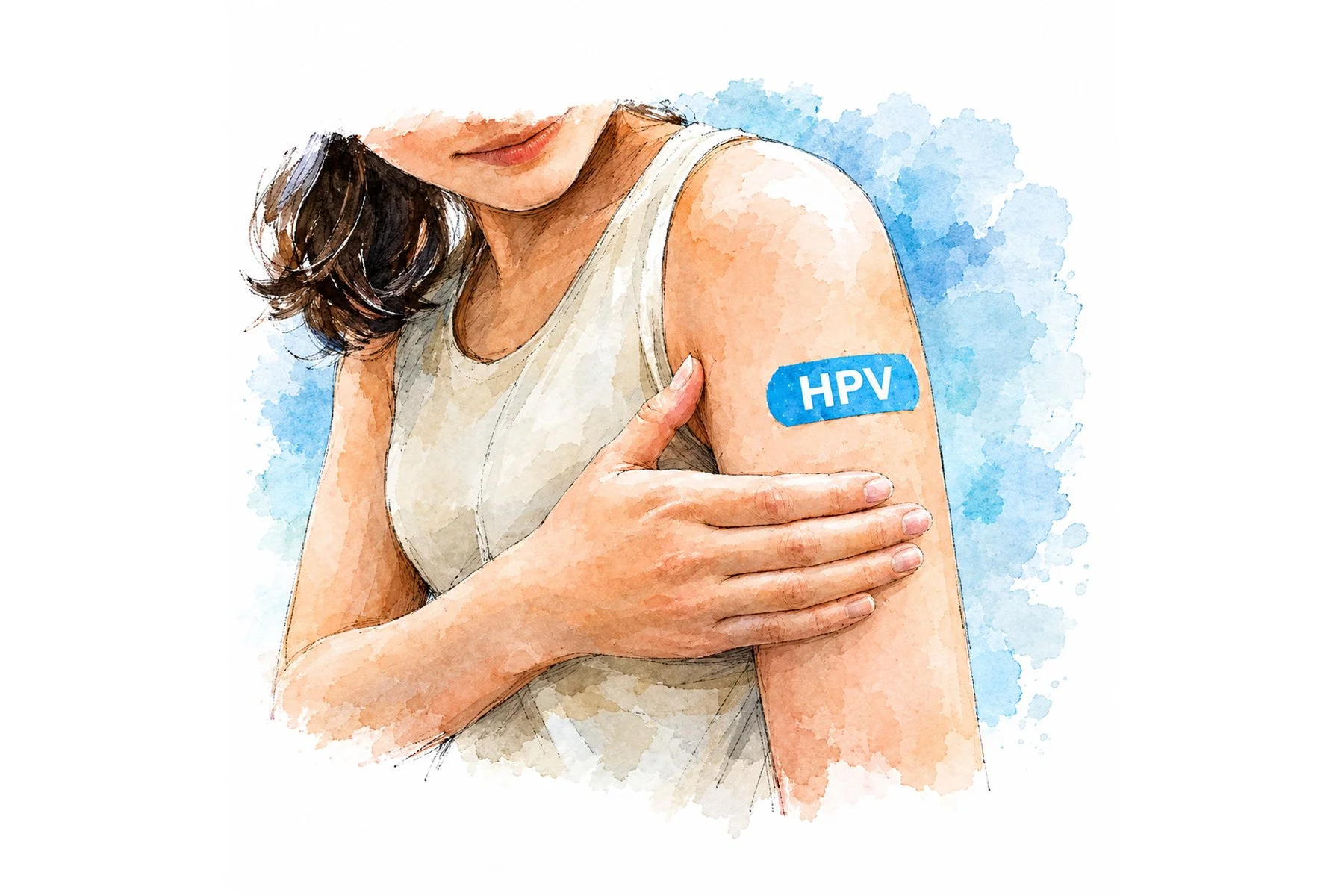
When we talk about sexual health, one topic that comes up often, and causes a lot of uncertainty, is HPV. The truth is: HPV is extremely common, usually harmless, and in most cases your body clears it on its own. But some types do carry risks, which is why awareness, vaccination and screening are so important.
What is HPV?
HPV stands for human papillomavirus. There are over 200 types of HPV, and they are referred to by number (based on the order in which they were discovered). HPV can infect the skin or mucous membranes, including areas such as the cervix and genital region.
What can HPV cause?
Different types of HPV affect different parts of the body and can lead to different conditions. Some infections can cause genital warts, while others can lead to long-term cell changes that may increase the risk of cancer.
Low-risk HPV:
Low-risk HPV types can cause:
● Genital warts.
● Common skin warts.
● Verrucae (warts on the soles of the feet) .
Most cases of genital warts are caused by HPV types 6 and 11.
High-risk HPV:
High-risk HPV types cause almost all cases of cervical cancer, most cases of vaginal, vulval and penile cancers, and some head and neck cancers.High-risk HPV types 16 and 18 are responsible for over 70% of cervical cancer cases.
Does HPV always cause symptoms?
Most HPV infections have no symptoms and clear (or become undetectable) within one to two years. However, around 5–10% of infected women develop a persistent (chronic) infection. Persistent infection with high-risk HPV types can progress over time to pre-cancerous growths called lesions. When these changes occur in the cervix, they may be referred to as CIN (cervical intraepithelial neoplasia). If not detected and treated, CIN may progress to cervical cancer, a process that usually takes 15–20 years.
How is HPV spread?
HPV spreads through direct contact with infected skin, mucous membranes or bodily fluids. Mucosal HPV types (the types that affect the genital region) are commonly transmitted through sexual activity. This includes vaginal, oral or anal intercourse, as well as genital touching and intimate skin-to-skin contact.
HPV is not inherited, and having a family history of HPV-related disease does not increase the risk of becoming infected.
How common is HPV infection?
HPV is the most common sexually transmitted infection worldwide. It’s estimated that around 8 in 10 men and women will be infected with one or more HPV types at some point in their lives. In women, the highest rates of HPV infection occur up to the age of 25 years.
HPV and cervical cancer
Cervical cancer is cancer of the cervix (the mouth of the womb). As mentioned, almost all cervical cancers are caused by HPV infection. High-risk HPV can cause abnormal changes in the cells lining the cervix. These changes are referred to as pre-cancerous growths or lesions, and can be treated early if found through screening.
Can HPV infection be prevented?
No single method eliminates HPV risk completely. However, risk can be reduced through a combination of vaccination and safer sexual practices. Barrier methods such as condoms reduce the risk, but do not eliminate it, because HPV can affect areas not covered by a condom.
HPV vaccination:
HPV vaccination before someone becomes sexually active significantly reduces the risk of HPV infection. HPV vaccines protect against high-risk HPV types that cause the majority of cervical cancers, and some vaccines also protect against the low-risk types responsible for most genital warts.
Because HPV vaccines do not protect against every HPV type, cervical screening remains important even after vaccination.
Can cervical cancer be prevented and detected early?
Yes. Cervical cancer risk can be reduced through HPV vaccination and regular cervical screening. Screening aims to identify early cell changes in the cervix, often before symptoms develop, allowing treatment or monitoring before cancer has the chance to progress.
Screening may involve a Pap (smear) test, HPV testing, or a combination of both, depending on age and individual risk.
The bottom line
HPV is very common and, in most cases, clears naturally without causing any long-term problems. However, because certain high-risk types can lead to cervical cell changes over time, regular screening and vaccination remain key parts of prevention.
At Peak Family Practice, we offer comprehensive women’s and men’s health consultations with a strong focus on prevention and early detection. This includes speculum examinations, pap smears, clinical breast examinations, and individualised discussions around vaccination, so you can make informed choices that feel right for you. We also provide HPV vaccination, including Gardasil and Gardasil-9, as well as wart removal using cryotherapy (freezing) where needed.
Our aim is to help you understand your options clearly, and to support you at every stage of your health journey.
Reference:
World Health Organization (WHO). (2024) Questions and answers about human papillomavirus. 2nd edn. Geneva: World Health Organization.
Available here
(Accessed: 21 January 2026).