Enjoying Our Hout Bay Waters Safely:
A Community Health Update on Rabies Awareness
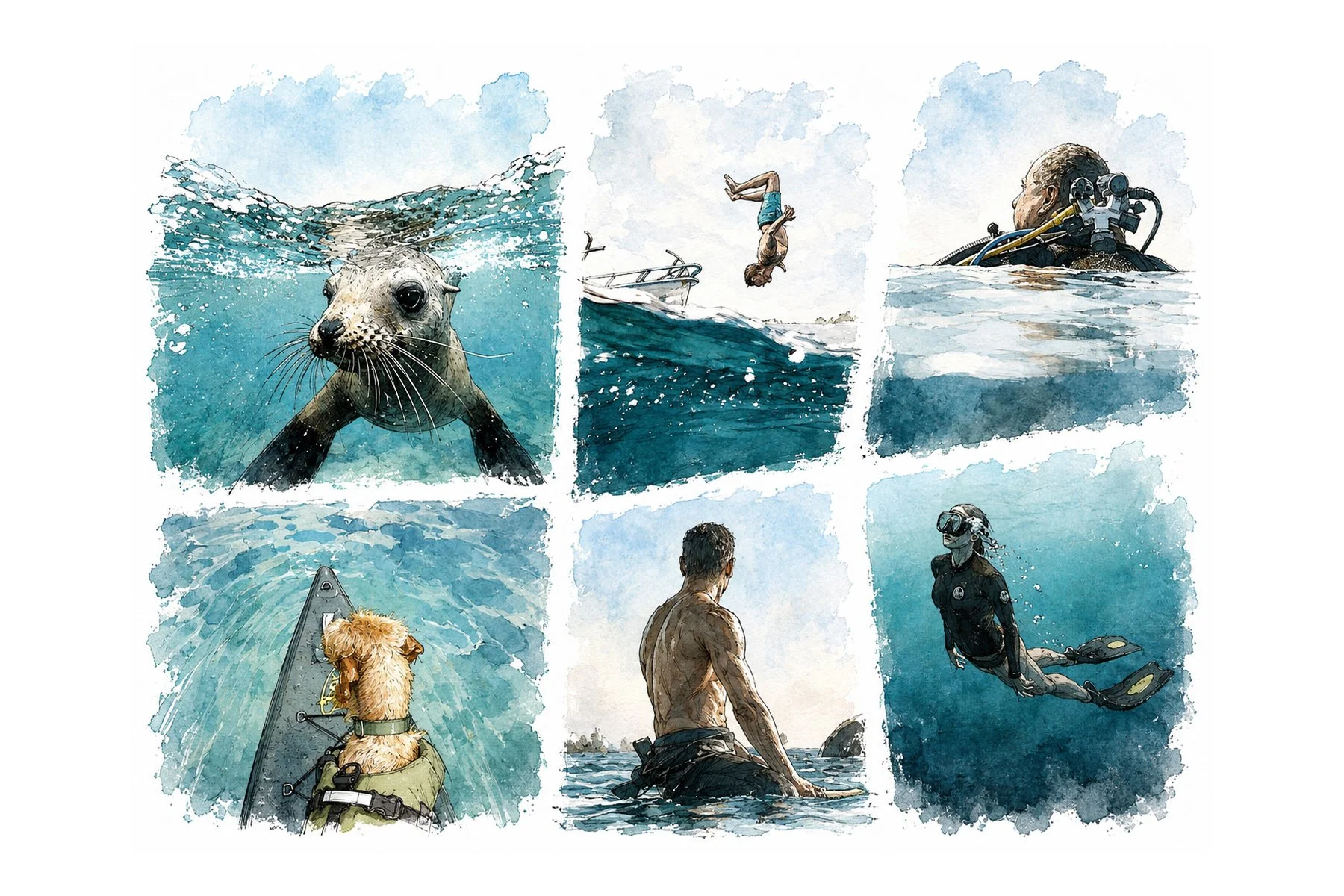
In Hout Bay, our connection to the ocean is a central part of our lifestyle. Whether you are a morning swimmer, a weekend surfer, or someone who enjoys sunset walks on the beach with your dog, our coastal environment is a shared treasure. To help our community continue enjoying these activities with peace of mind, we want to share some important, proactive health information regarding recent wildlife findings in our area.
Health authorities have confirmed that rabies is being maintained within the Cape fur seal population along our coastline. This is a finding that we can manage effectively through awareness and simple preventive measures.
Understanding the Basics: How Protection Works
Rabies is a virus transmitted through the saliva of an infected animal, typically via a bite or scratch. A helpful way to understand the virus is to think of it as traveling along a “slow highway” of peripheral nerves toward the central nervous system.
Because the virus moves relatively slowly during its incubation period, there is a critical window of opportunity to prevent illness through vaccination. By being proactive, we can ensure the body is ready to neutralise the virus before it ever becomes a health issue.
Staying Proactive: Pre-Exposure Prophylaxis (PrEP)
For those who spend significant time in the water — such as our local surfers, ocean swimmers, kayakers, and divers — individuals may wish to discuss Pre-Exposure Prophylaxis (PrEP) with their healthcare provider.
Think of PrEP like any other safety gear you use for the ocean; it provides a foundational layer of protection that simplifies your medical care should you ever have an unexpected encounter with wildlife.
The PrEP Vaccination Schedule for Healthy Individuals:
First Dose: Day 0
Second Dose: Day 7
(Note: For those who are immunocompromised, a three-dose schedule on Days 0, 7, and 21–28 is recommended.)
What to Do Following a Wildlife Encounter
If you are bitten or scratched by a seal (or any mammal), follow these three effective steps:
Wash and Flush: Immediately wash the area with soap and running water for 5 to 10 minutes. This simple step is remarkably effective at reducing risk.
Disinfect: If you have it handy, apply a disinfectant like iodine or chlorhexidine.
Seek Medical Assessment: Seek prompt medical assessment at your GP, clinic, or emergency facility so that an appropriate risk assessment and next steps can be arranged.
A Guide to Post-Exposure Care (PEP)
Your treatment after an encounter depends on your previous vaccination history:
If You HAVE Had PrEP
Your care is simplified. You will only need two booster doses of the vaccine, and Rabies Immunoglobulin (RIG) is not required.
Vaccine Dose 1: Day 0 (the day of medical assessment)
Vaccine Dose 2: Day 3
If You HAVE NOT Had PrEP
You will receive the vaccine series together with Rabies Immunoglobulin (RIG), which provides immediate protection at the wound site while the vaccine builds longer-term immunity.
RIG: Administered at the wound site on Day 0
Vaccine Series: Four doses administered on Days 0, 3, 7, and a final dose between Days 14 and 28
A Quick Note on Vaccine Availability
Verorab™ and Chirorab® are fully approved, safe, and effective vaccines currently used in South Africa. Both vaccines provide the same level of protection.
Caring for Our Four-Legged Beachgoers
Hout Bay is a dog-loving community, and we want our pets to stay safe too.
Keep Vaccinations Current: Ensuring your dogs and cats are up to date on their rabies vaccinations is the best way to protect them and your family, and is a legal requirement in South Africa.
Practice Good Etiquette: When on the beach, keep your dogs on a leash or under close control to prevent them from approaching seals.
Give Wildlife Space: If you see a seal on the sand, enjoy the sight from a distance and keep your pets away.
A Calm, Preventive Approach
By staying informed and prepared, we can continue to enjoy the incredible Hout Bay lifestyle we all love. If you have questions about rabies prevention or would like individual advice, your GP can help guide what is appropriate for your circumstances.
Expert Advice & Hotlines:
• NICD 24-hour Clinical Hotline: 0800 212 552,
• Amayeza Medicine Information Centre: 011 475 2994 or 0860 160 160
References and Further Reading
National Institute for Communicable Diseases (NICD). (2025, January 27). Rabies and Seals in South Africa: What You Need to Know.
National Institute for Communicable Diseases (NICD). (2025, April 22). Rabies Prevention and Vaccine Update: Chirorab® Now Available in South Africa.
Centers for Disease Control and Prevention (CDC). (2025, July 15). Rabies Post-exposure Prophylaxis Guidance.
Centers for Disease Control and Prevention (CDC). (2025, July 16). Rabies Pre-exposure Prophylaxis Guidance.
National Institute for Communicable Diseases (NICD). Rabies Updates and Frequently Asked Questions.