


Medical expertise, beyond your consultation.
Health Information
Our doctors and clinical team share practical, evidence-based information on common health concerns, preventative care, medical tests and treatments, helping you better understand your health and the care available at Peak Family Practice.
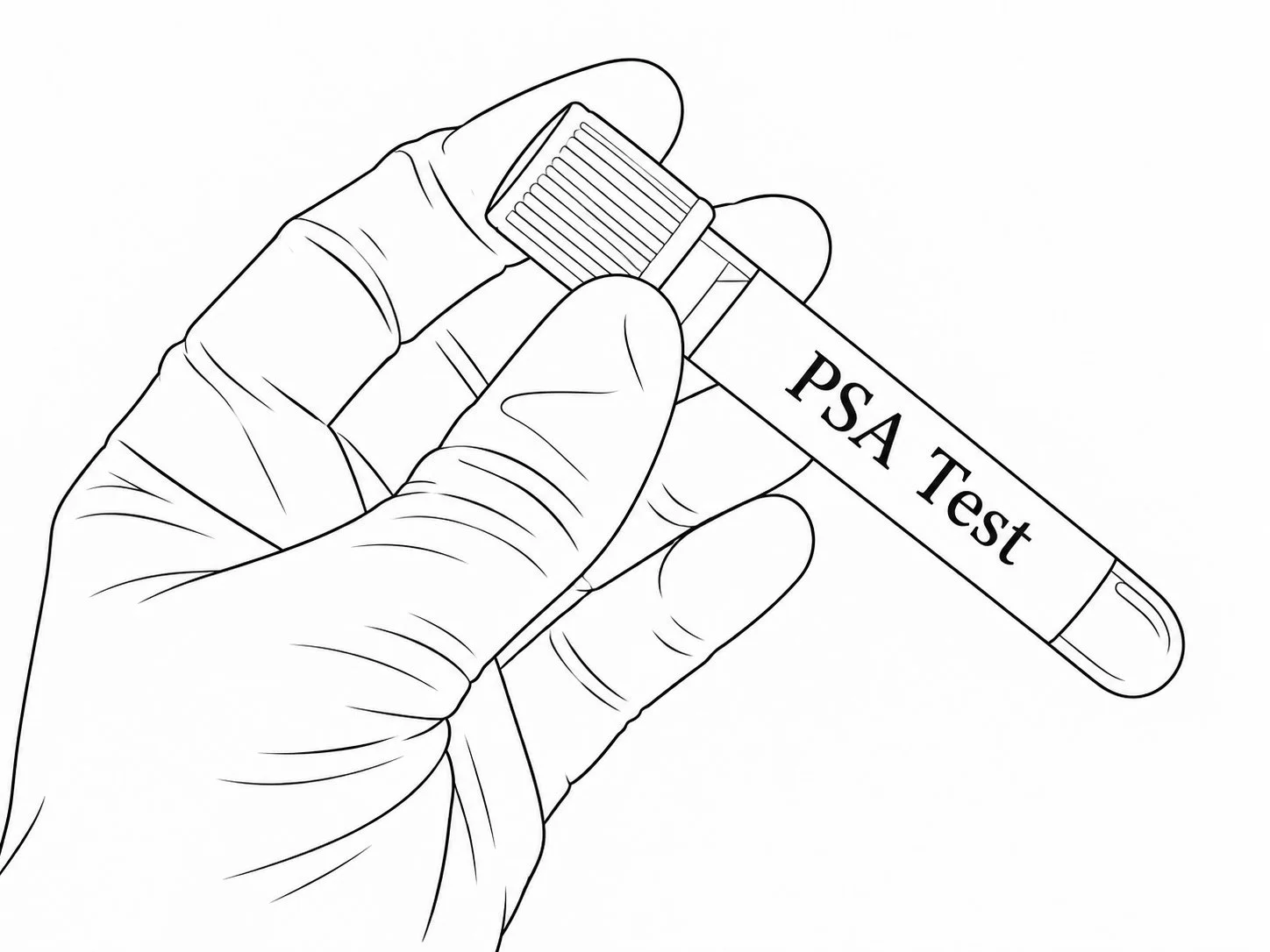
Prostate Cancer Screening
When should you start prostate cancer screening? Dr Andrew Lane explains how age, family history, ancestry and inherited risk can influence when to consider PSA testing, what your results may mean and how often screening may be appropriate.

Shingles Vaccine
Shingrix is a highly effective, non-live vaccine that helps protect against shingles and its most common long-term complication, post-herpetic neuralgia. The article covers who should consider vaccination, how effective Shingrix is, the two-dose schedule, expected side effects, precautions, and vaccination after a previous episode of shingles.
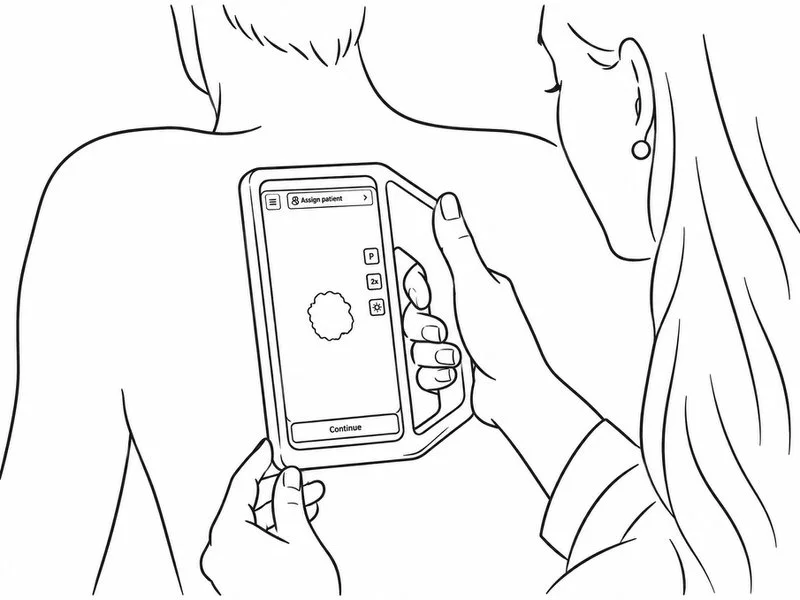
Why Annual Mole Checks Matter:
Regular skin examinations and digital mole mapping can help monitor changes that may otherwise go unnoticed. The article covers varied appearances of skin cancer, the ABCDE and ‘Ugly Duckling’ warning signs, who may benefit from annual checks, and how FotoFinder imaging supports comparison over time.

Flu Vaccination:
Seasonal influenza can disrupt health, work and family life, and sometimes causes complications. This overview describes how flu spreads, who should particularly consider annual vaccination, expected side effects, the best timing for South Africa’s winter season, and simple measures that reduce transmission.

Viral vs Bacterial Infections:
Many winter coughs, sore throats and flu-like illnesses are viral, so antibiotics will not help them. This article compares viral and bacterial infections, explains antibiotic stewardship and possible harms of unnecessary treatment, and highlights prevention, warning signs and when clinical assessment or rapid testing may help.

Enjoying Our Hout Bay Waters Safely:
Written for people who enjoy Hout Bay’s coastline, this community update covers rabies risk from Cape fur seals and other mammals. It outlines pre-exposure vaccination, immediate wound care and post-exposure treatment, alongside practical steps for keeping people and pets safer around wildlife.
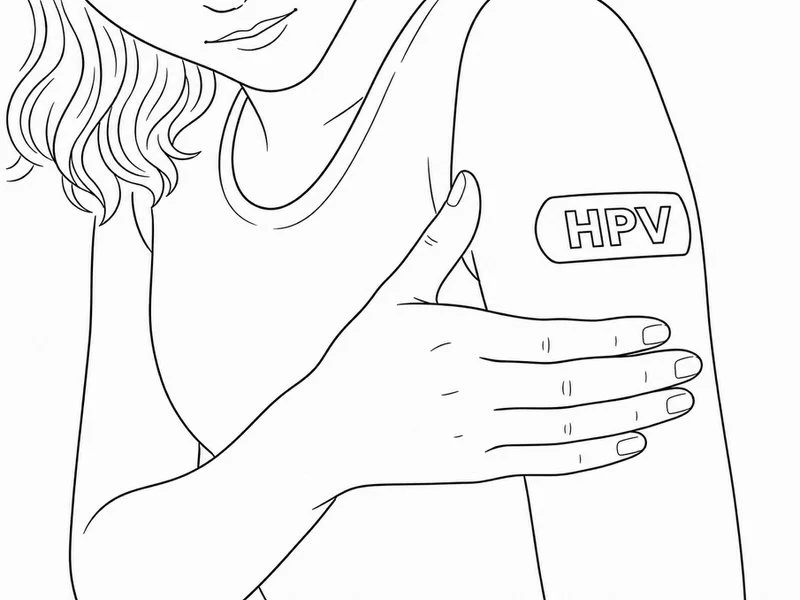
Understanding HPV:
HPV is common and often causes no symptoms, but persistent high-risk infection can lead to cervical cell changes and cancer. The guide discusses transmission, low- and high-risk types, genital warts, cervical screening, safer sexual practices and the protective role of HPV vaccination.

Iron Deficiency Explained:
Low iron can affect energy, concentration, exercise tolerance and recovery, yet its symptoms are often mistaken for stress or poor sleep. The article covers possible causes, blood testing and individual assessment, plus when dietary changes, oral supplements or medically supervised IV iron may be considered.
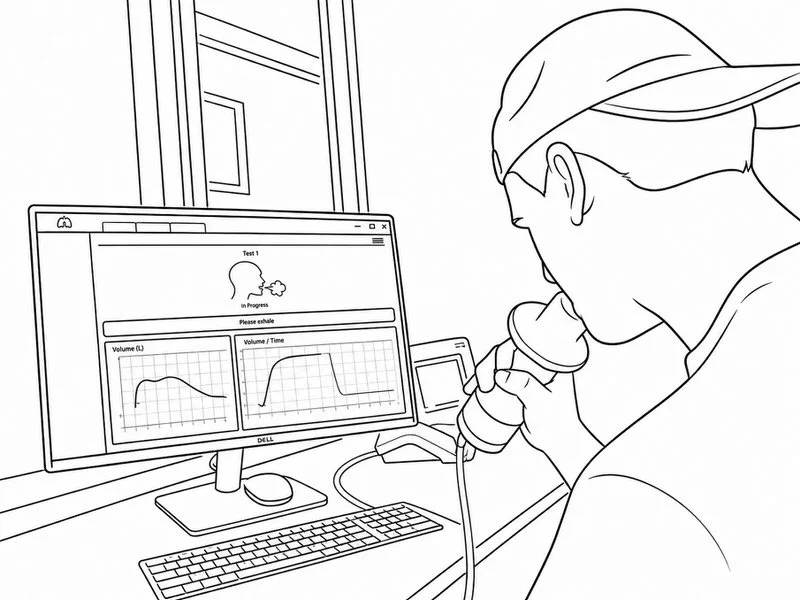
Lung Function Testing (Spirometry):
Persistent cough, wheezing, breathlessness or reduced exercise tolerance can be difficult to interpret from symptoms alone. This guide shows how spirometry measures airflow and lung function, which conditions it may help assess, what happens during testing, and how results can guide treatment or further investigation.
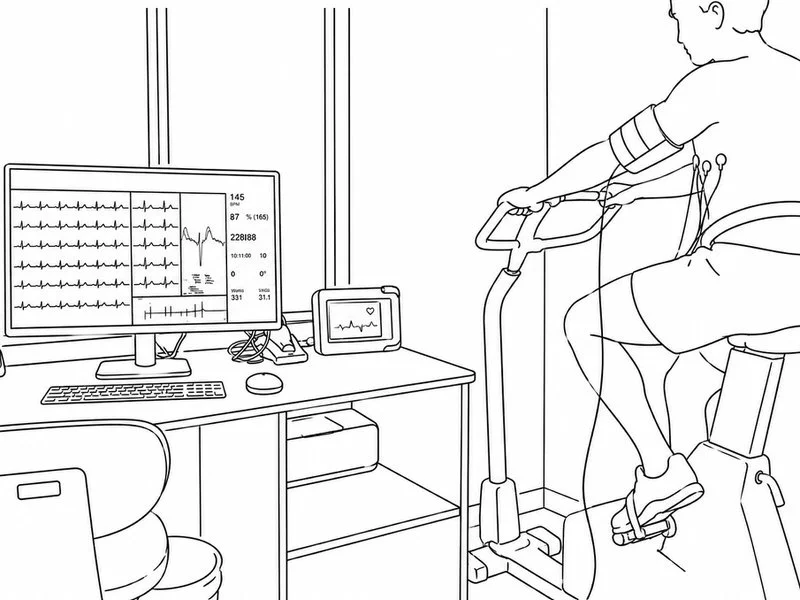
Stress ECG (Exercise ECG):
Chest discomfort, unusual breathlessness, palpitations or declining exercise tolerance may warrant assessment when they occur with activity. The guide describes what a stress ECG can help identify, who may benefit, how bicycle-based testing is performed and monitored, and when further investigation could be needed.

Resting ECG vs Stress ECG:
Resting and stress ECGs answer different questions about heart health. This comparison covers what each test records, symptoms and risk factors that may favour one over the other, what a bicycle exercise ECG involves, and why exertion can reveal changes not visible at rest.

Anti-Wrinkle Injections: Myths vs Facts
Common concerns about anti-wrinkle injections are separated from fact, including fears of a frozen appearance, safety, age, dependence and enlarged lips. The article shows why assessment, conservative dosing and treatment tailored to facial anatomy and personal goals matter for subtle, natural results.
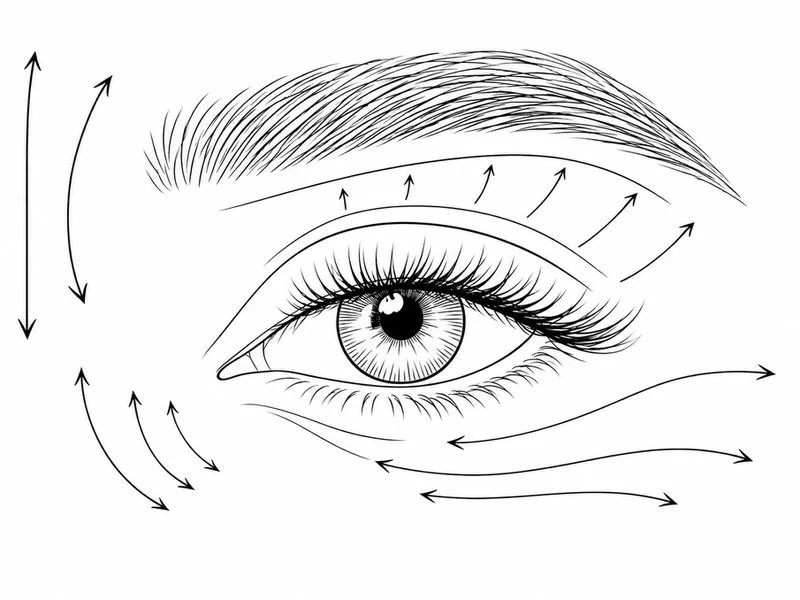
Anti-Wrinkle Injections:
Considering anti-wrinkle injections? This guide describes how botulinum toxin type A softens dynamic lines, when results usually appear and how long they last. It also covers typical treatment areas, individual dosing, available products and Peak’s conservative, doctor-led approach to natural-looking results.